Elektrine
Log in Register
Paige Chat Timeline Gallery Friends Email Drive DNS Private DNS Domains VPN Kairo Nerve
Remote

Universe Today

@universetoday@m.universetoday.com
mastodon 4.7.3
  • Open on m.universetoday.com

Space and astronomy news from the Universe Today Website

357 Followers
2 Following
20 Posts
Joined December 28, 2022
Website:
https://www.universetoday.com
Open post
Universe Today @universetoday@m.universetoday.com
· 16mo ago

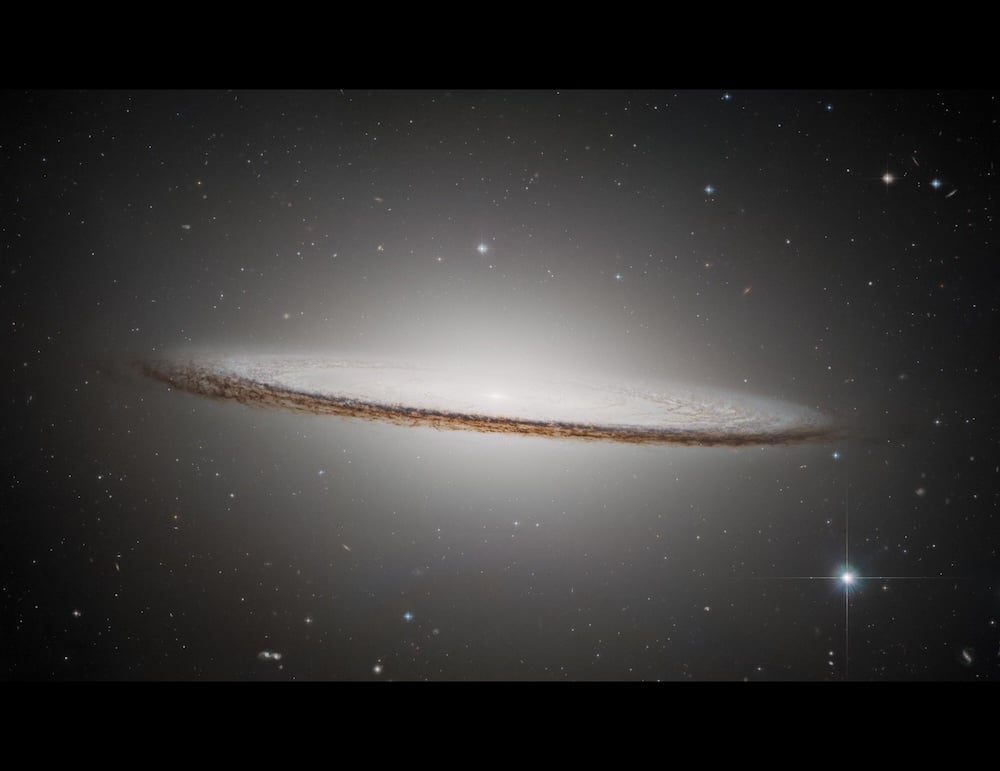
One of the most iconic images ever taken by Hubble is NGC 346 (M 104), also known as the Sombrero Galaxy. This is a beautiful galaxy seen nearly edge-on—just 6 degrees off—with its central bulge and a prominent outer disk. The central supermassive black hole contains 9 billion times the mass of the Sun; that's 2,000 times more massive than the Milky Way. Astronomers still haven't officially classified the Sombrero; it's just "peculiar" and awesome.

https://www.universetoday.com/articles/a-new-version-of-the-sombrero-galaxy-taken-by-hubble
A New Version of the Sombrero Galaxy, Taken by Hubble
Universe Today

A New Version of the Sombrero Galaxy, Taken by Hubble

Sometimes an old telescope can still impress. That is certainly the case for Hubble, which is rapidly approaching the 35th anniversary of its launch. To celebrate, the telescope's operators are collaborating with ESA to release a series of stunning new photographs of some of the most iconic astronomical objects the telescope has observed. As of the time of writing, the latest one to be released is a spectacular new image of a favorite of millions of amateur astronomers - the Sombrero Galaxy.

5
0
4
0
Open post
Universe Today @universetoday@m.universetoday.com
· 16mo ago

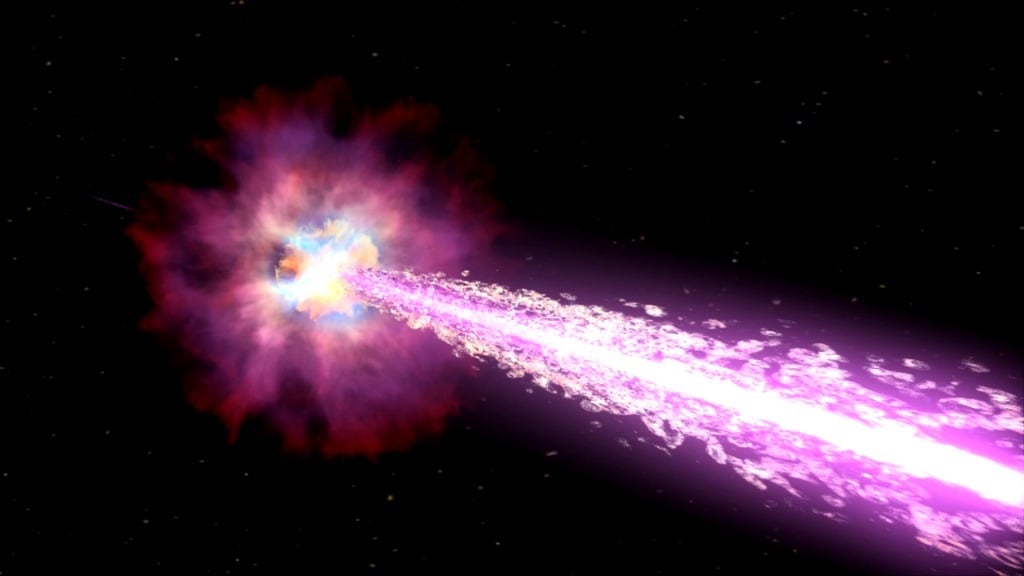
Gamma-ray bursts are some of the most powerful explosions in the Universe, briefly outshining the combined light of their entire galaxies. A team of astronomers has figured out a clever technique to use the light from gamma-ray bursts as bright lights that allow them to map out the large-scale structure of the Universe at different ages after the Big Bang. They found that the Universe might be less uniform at large scales than previously thought.

https://www.universetoday.com/articles/using-gamma-ray-bursts-to-probe-large-scale-structures

Using Gamma-Ray Bursts to Probe Large Scale Structures
Universe Today

Using Gamma-Ray Bursts to Probe Large Scale Structures

Gamma-ray bursts are the most powerful events in the Universe, briefly outshining the combined light of their entire galaxies. A team of astronomers has figured out a clever technique to use the light from gamma-ray bursts to map out the large-scale structure of the Universe at different ages after the Big Bang. They found that the Universe might be less uniform at large scales than previously thought.

4
0
1
0
Open post
Universe Today @universetoday@m.universetoday.com
· 16mo ago

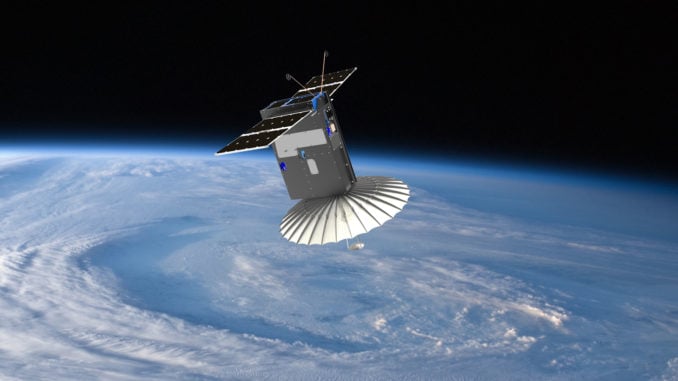
CubeSats are the perfect platforms for studying Earth. They can pack a tremendous amount of sensors and computing into a very small, affordable package. A new paper looks into how CubeSats are being used for precision agriculture on Earth and how future applications could make this even better. Tiny satellites can resolve the Earth's surface at 3 meters per pixel, revealing details of plant health and growth, spotting pest outbreaks, and more for low costs to farmers.

https://www.universetoday.com/articles/flocks-of-cubesats-can-efficiently-monitor-farms

Flocks of CubeSats Can Efficiently Monitor Farms
Universe Today

Flocks of CubeSats Can Efficiently Monitor Farms

The widespread use of low Earth orbit (LEO), especially by thousands of CubeSats, has opened up many opportunities in research and business applications. One particular field that has benefited from the data that CubeSats provide is farming. Precision agriculture (PA) is a technique that uses advanced sensors, including the remote ones on CubeSats, to determine the health and productivity of a farm. A recent review paper from Lamia Rahali and her co-authors at the Mediterranea University of Regg

4
0
3
0
Open post
Universe Today @universetoday@m.universetoday.com
· 16mo ago

Astronomers continue to study the mismatch in the expansion rates of the Universe at different times: the Hubble tension. There have been many possible explanations, from measurement errors to changing levels of dark energy. In a new paper, researchers propose a novel solution: that the Universe is slowly spinning. If the Universe rotated once every 500 billion years, that would change how space expands over time, explaining the speed mismatch.

https://www.universetoday.com/articles/an-interesting-solution-to-the-hubble-tension-the-universe-is-slowly-spinning

An Interesting Solution to the Hubble Tension: The Universe is Slowly Spinning
Universe Today

An Interesting Solution to the Hubble Tension: The Universe is Slowly Spinning

Everything in the Universe spins. Galaxies, planets, stars, and black holes all rotate, even if just a bit. It comes from the fact that the clouds of scattered gas and dust of the cosmos are never perfectly symmetrical. But the Universe as a whole does not rotate. Some objects spin one way, some another, but add them all up, and the total rotation is zero. At least that's what we've thought. But a new study suggests that the Universe does rotate, and this rotation solves the big mystery of cosmo

3
0
0
0
Open post
Universe Today @universetoday@m.universetoday.com
· 16mo ago

The Sun is a third-generation star, comprised not only of hydrogen and helium but of the additional metals created in previous generations of stars. But astronomers have found examples of stars with a fraction of the metals in the Sun, which they classify into different categories. The least metallic stars, designated "ultra metal-poor," have an iron to hydrogen ratio of 1/10,000th the Sun, giving a glimpse of what the first-ever stars might have looked like.

https://www.universetoday.com/articles/the-most-metal-poor-stars-are-living-fossils-from-the-beginning-of-the-universe

The Most Metal Poor Stars are Living Fossils from the Beginning of the Universe
Universe Today

The Most Metal Poor Stars are Living Fossils from the Beginning of the Universe

Our Sun, like all stars, is made mostly of hydrogen and helium. They are by far the most abundant elements, formed in the early moments of the Universe. But our star is also rich in other elements astronomers call "metals." Carbon, nitrogen, iron, gold, and more. These elements were created through astrophysical processes, such as supernovae and neutron star collisions. The dust of long-dead stars that gathered together into molecular clouds and formed new, younger stars such as the Sun. Stars r

3
0
0
0
Open post
Universe Today @universetoday@m.universetoday.com
· 16mo ago

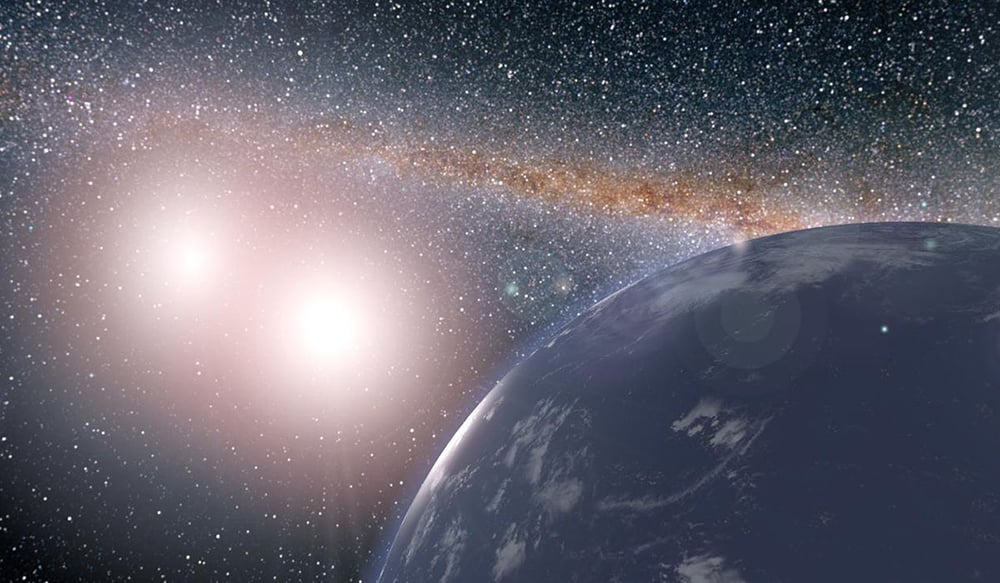
We know of a few thousand exoplanets, but very few are in the habitable zone, and none are perfect analogs for the Earth. But we will find some over time, eventually knowing of dozens of "other Earths." But what if we fail to find any obvious signs of life in the atmospheres of those worlds? According to a new paper, researchers predict that scanning 40-80 exoplanets and finding no life dramatically decreases our predictions for life in the Milky Way.

https://www.universetoday.com/articles/failing-to-find-life-tells-us-a-lot-about-life-in-the-universe

Failing to Find Life Tells Us a Lot About Life in the Universe
Universe Today

Failing to Find Life Tells Us a Lot About Life in the Universe

The search for life involves the most sophisticated observational machines known to humanity. They peer out across the light-years, looking for some proof - any proof - that other life exists, out there. What if, despite all our efforts, those observations turn up NO evidence of life elsewhere in our Milky Way Galaxy?

3
0
0
0
Open post
Universe Today @universetoday@m.universetoday.com
· 16mo ago

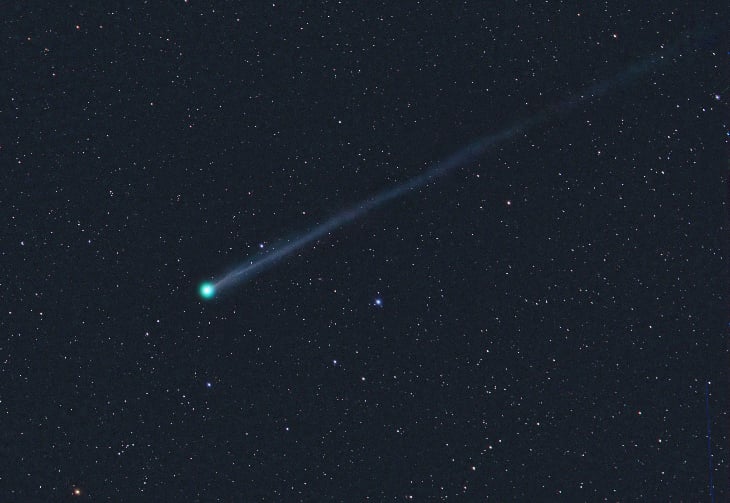
It's time for another comet alert: comet C/2025 F2 SWAN. It was first discovered on April 1st at 11th magnitude and has been increasing in brightness as it approaches the Sun. It will reach its closest point to the Sun on May 1st, coming just inside the orbit of Mercury, where it could be at its brightest. If it survives the solar flyby, it could reach magnitude 4, easily visible with the unaided eye. So, stay tuned.

https://www.universetoday.com/articles/new-comet-swan-could-put-on-a-brief-show-at-dawn

New Comet SWAN Could Put On a Brief Show at Dawn
Universe Today

New Comet SWAN Could Put On a Brief Show at Dawn

Newly discovered comet C/2025 F2 SWAN could put on a brief dawn display over the next few weeks. Discovered thanks to the hard work of online sleuths and amateur astronomers, the comet may brighten towards perihelion on May 1st.

3
0
1
0
Open post
Universe Today @universetoday@m.universetoday.com
· 16mo ago

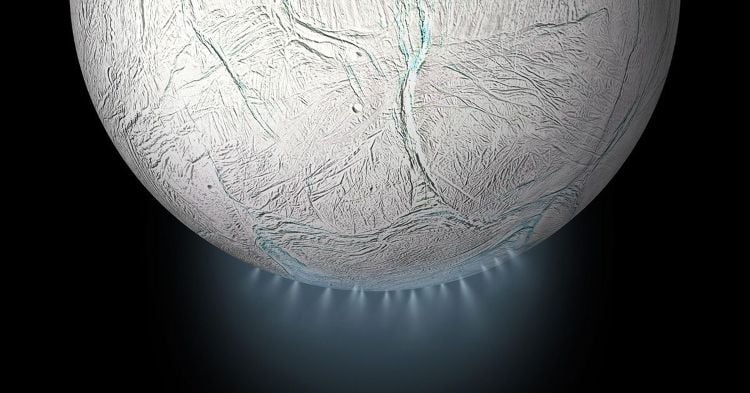
Enceladus is such a tantalizing place to search for life in the Solar System. Geysers of water ice are spewing out of its south pole and could contain the chemistry of life. The challenge, of course, is to directly sample it somehow. That's the goal of a recent study, where researchers investigate the pros and cons of an orbiter or flyby mission that could go directly through the plumes at Enceladus, sampling the material directly to scan for evidence of life.

https://www.universetoday.com/articles/the-search-for-biosignatures-in-enceladus-plumes

The Search for Biosignatures in Enceladus' Plumes
Universe Today

The Search for Biosignatures in Enceladus' Plumes

What kind of mission would be best suited to sample the plumes of Saturn's ocean world, Enceladus, to determine if this intriguing world has the ingredients to harbor life? This is what a recent study presented at the 56th Lunar and Planetary Science Conference hopes to address as a team of researchers investigated the pros and cons of an orbiter or flyby mission to sample Enceladus' plumes. This study has the potential to help scientists, engineers, and mission planners design and develop the m

3
0
4
0
Open post
Universe Today @universetoday@m.universetoday.com
· 16mo ago

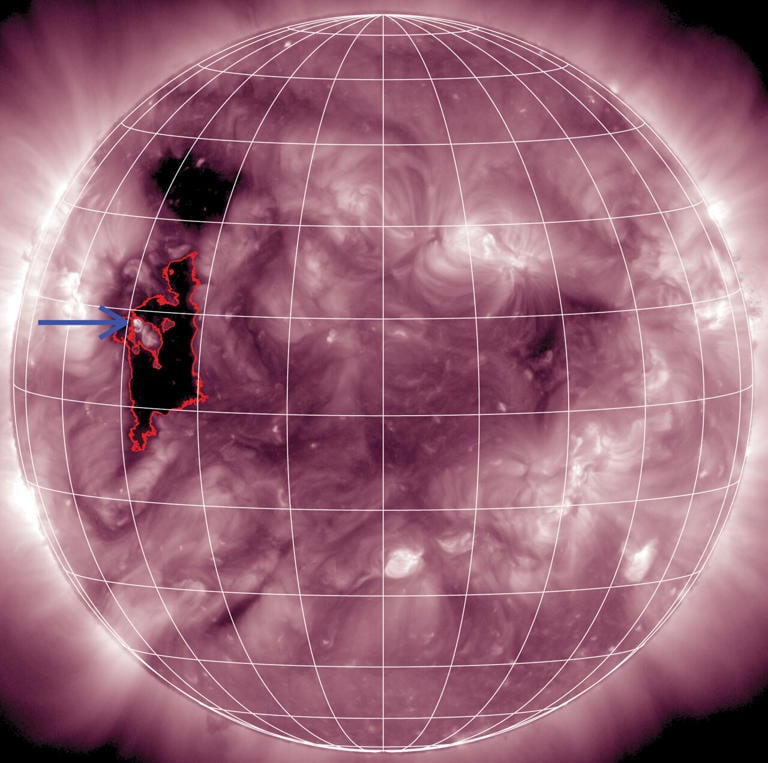
Helium-3 is a rare isotope emitted by the Sun, and it's very scarce in the Solar System. It's estimated that there's only one He3 atom for every 2,500 He4 atoms. But solar jets can boost the amount of He3 to 10,000 times its usual concentration. ESA's Solar Orbiter mission was recently bathed in He3, recording a 200,000-fold increase of the rare isotope because it was accelerated to higher speeds than other heavier elements by a jet emerging from a coronal hole.

https://www.universetoday.com/articles/a-hole-opened-up-in-the-suns-corona-and-vented-helium-3

A Hole Opened Up in the Sun's Corona and Vented Helium-3
Universe Today

A Hole Opened Up in the Sun's Corona and Vented Helium-3

What can Helium-3 (3He) being discharged from the Sun teach us about 3He creation and the Sun's activity? This is what a recent study published in The Astrophysical Journal hopes to address as an international team of researchers investigated 3He-rich solar energetic particles (SEPs) emitted by the Sun in late 2023. This study has the potential to help astronomers better understand how solar activity could contribute to the production of 3He, the latter of which remains one of the most desired s

1
0
0
0
Open post
Universe Today @universetoday@m.universetoday.com
· 16mo ago

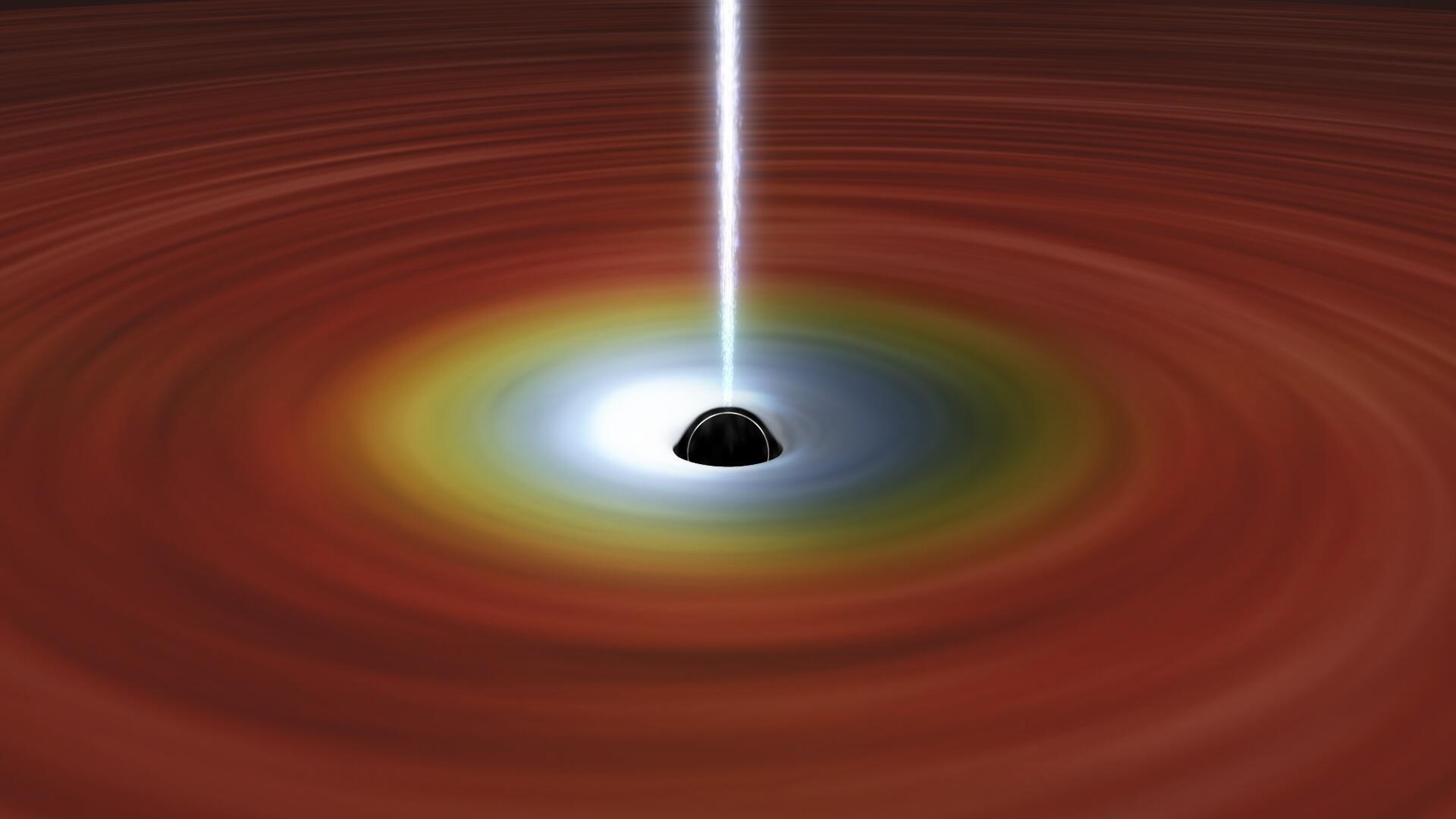
Supermassive black holes can emit powerful jets that stretch out into the cosmos, but the less massive stellar black holes can form jets too, generating beams of ionized gas that shoot outward at nearly the speed of light. Now, astronomers think they understand the underlying mechanism that generates these jets. They occur when the inner radius of the accretion disk suddenly decreases and reaches the closest point that matter can orbit without falling in.

https://www.universetoday.com/articles/how-black-holes-can-emit-powerful-jets

How Black Holes Can Emit Powerful Jets
Universe Today

How Black Holes Can Emit Powerful Jets

We've long known that black holes can produce powerful jets of ionized gas. These jets stream away from the black hole at nearly the speed of light. Jets produced by supermassive black holes are so powerful they are seen as quasars from billions of light-years away. But when you think about it, jets are a bit counterintuitive. Black holes trap and consume material through their tremendous gravity, so how can they push streams of material away? A recent study in Publications of the Astronomical S

1
0
0
0
Open post
Universe Today @universetoday@m.universetoday.com
· 16mo ago

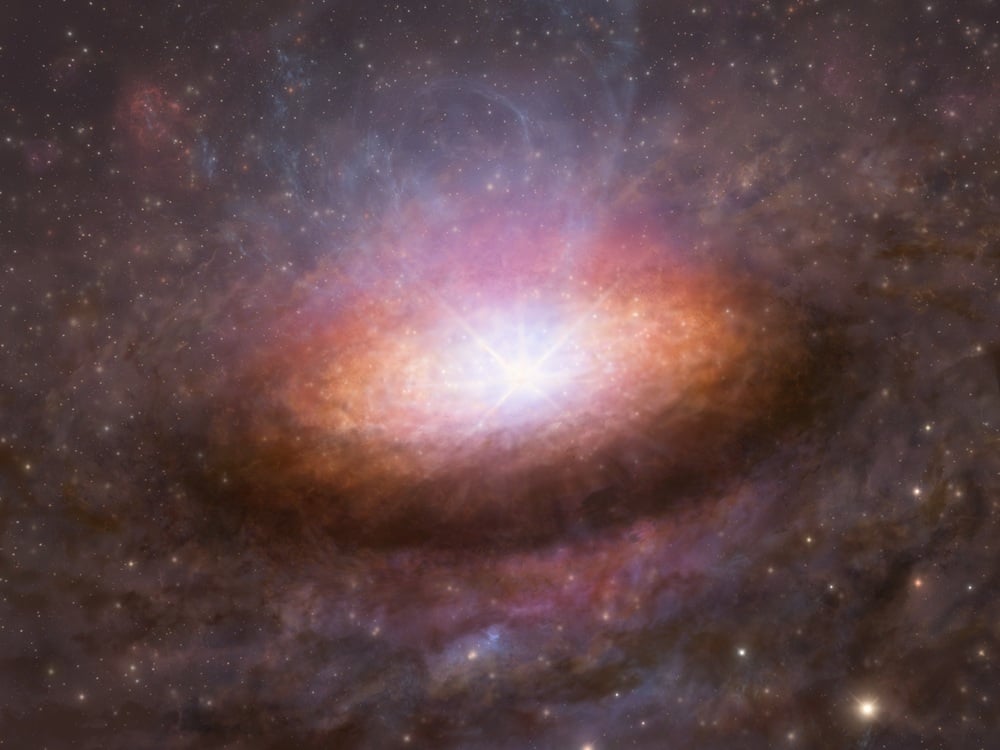
Thanks to JWST and other powerful observatories, astronomers are finding supermassive black holes earlier in the universe. The challenge is that actively feeding black holes will throw out a cloud of dust that obscures them from view. Now, researchers have developed a new technique that could reveal those hidden black holes. They've found that X-ray radiation emitted by infalling material heats the surrounding gas unusually high, providing a detectable signal.

https://www.universetoday.com/articles/a-new-technique-to-find-hidden-black-holes

A New Technique to Find Hidden Black Holes
Universe Today

A New Technique to Find Hidden Black Holes

To the uninitiated, astronomers' interest in ancient black holes might seem like an obsession. Why spend so much time, energy, and resources looking back billions of years just to detect the nearly undetectable? They do it because ancient black holes hold unique clues to understanding the modern Universe.

1
0
1
0
Open post
Universe Today @universetoday@m.universetoday.com
· 16mo ago

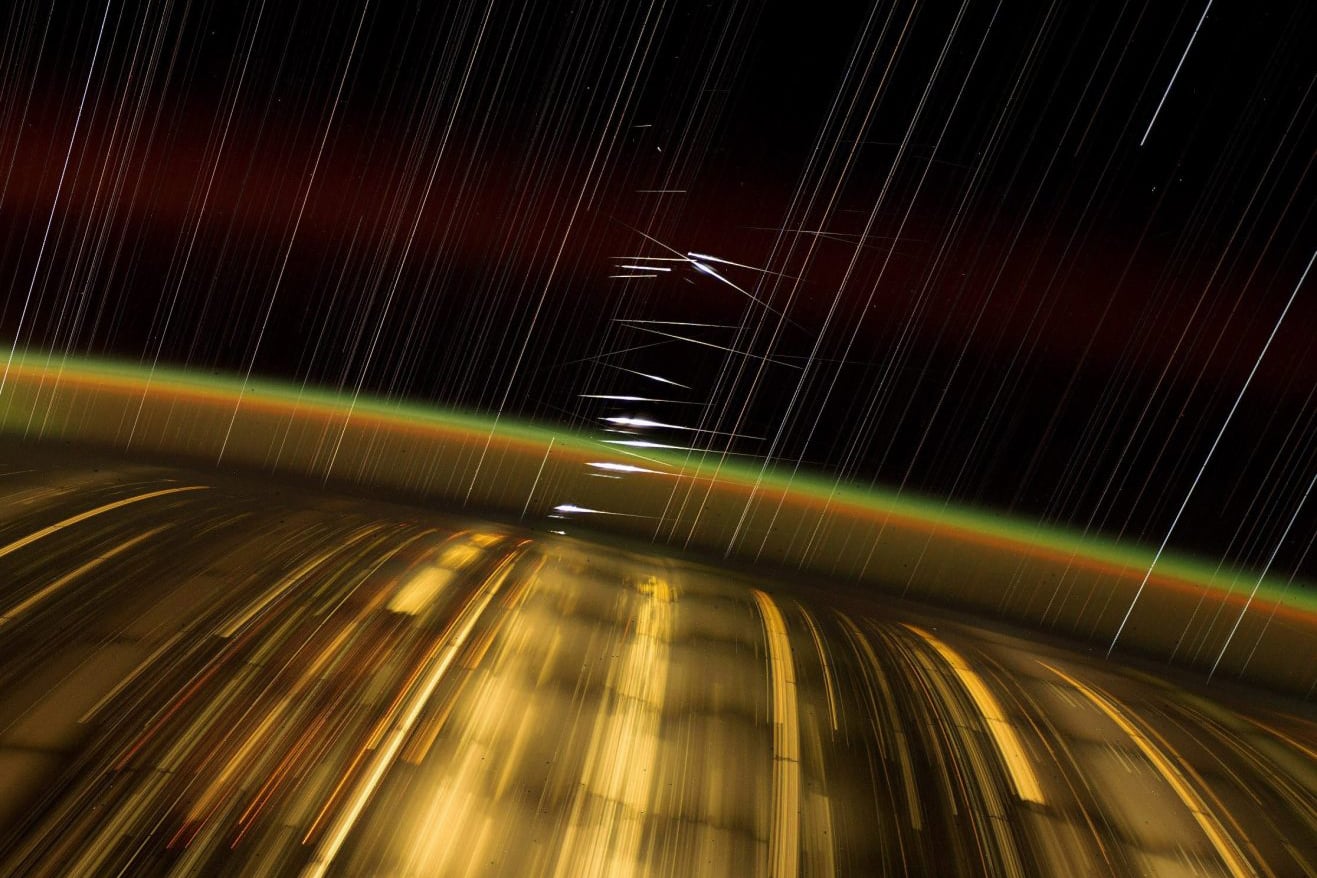
You might be surprised to learn that greenhouse gas emissions can have an effect on the satellite carrying capacity of low Earth orbit. As more CO2 and other gases are pumped into the atmosphere, they cause the upper atmosphere to shrink, reducing atmospheric drag on existing satellites. Junk and defunct satellites will stay around longer before re-entering the atmosphere and burning up. Researchers estimate that carrying capacity could be reduced by more than 50%.

https://www.universetoday.com/articles/more-greenhouse-gases-means-less-room-for-satellites

More Greenhouse Gases Means Less Room for Satellites
Universe Today

More Greenhouse Gases Means Less Room for Satellites

Whether your views on climate change are informed by politics or science, it's getting harder to ignore it's effects on our lives down here on Earth. But a surprising study reports that increasing concentrations of greenhouse gases in our atmosphere could also be affecting the problem of space junk. As the heat energy stored in our atmosphere increases, its ability to scrub debris from Low-Earth Orbit (LEO) decreases, increasing the risk of satellite collisions and making it more likely that hum

1
0
1
0
Open post
Universe Today @universetoday@m.universetoday.com
· 16mo ago

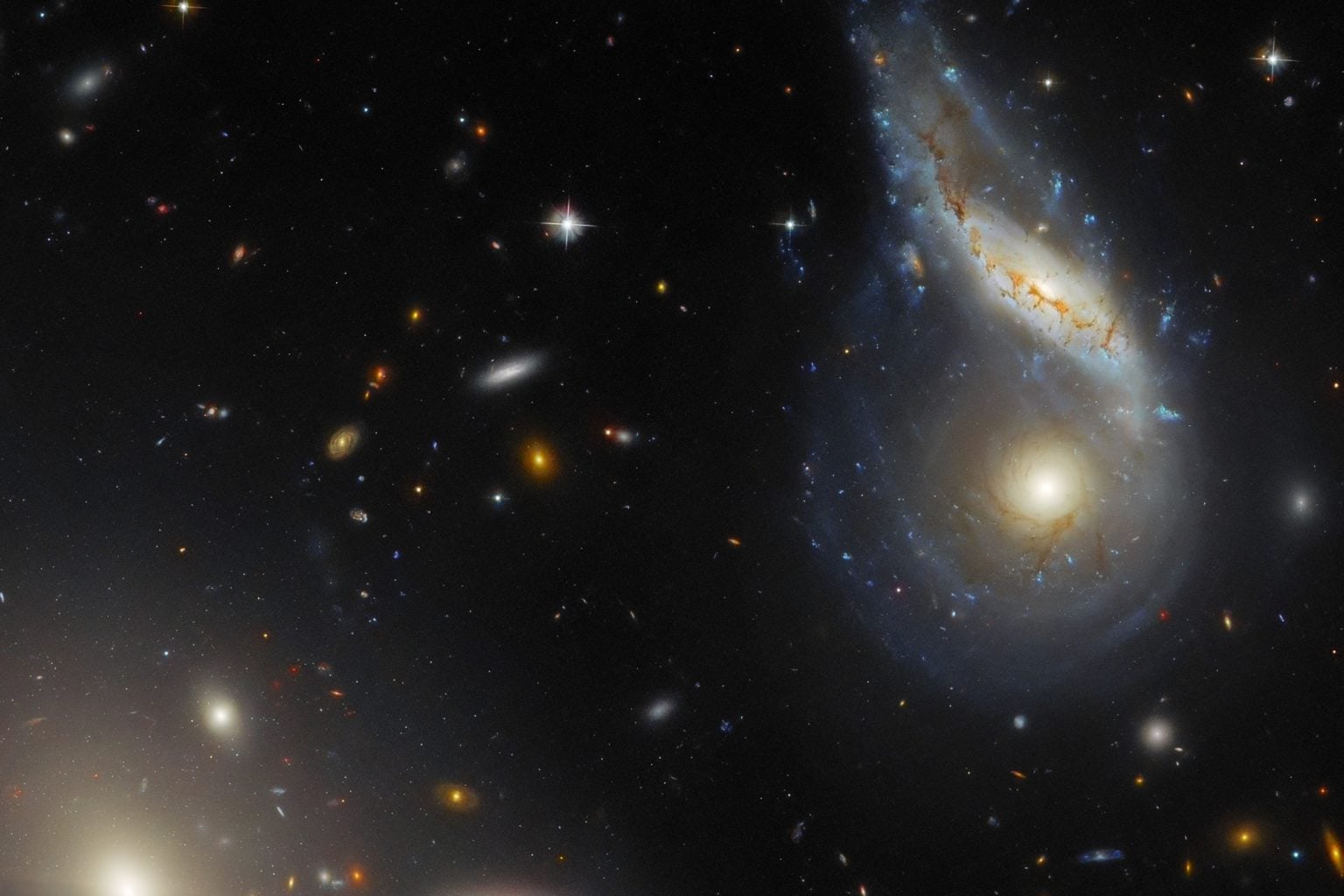
When galaxies run out of star-forming material, they get redder over time as the short-lived stars die, while the longer-lived dwarf stars can keep going for trillions of years. At least, that was the traditional thinking. But a new paper suggests that there could be redder galaxies that are still forming new stars. It's just that they're producing low-mass stars which start off red and stay red. This could mean that galactic life cycles are more complex than we thought.

https://www.universetoday.com/articles/red-galaxies-arent-necessarily-dead-galaxies

Red Galaxies Aren't Necessarily Dead Galaxies
Universe Today

Red Galaxies Aren't Necessarily Dead Galaxies

The human perception of stars is that they are largely unchanging although of course in reality stars and their host galaxies do change over time, just very VERY slowly. When galaxies deplete their star forming materials, they traditionally become redder as short lived stars die while long lived dwarf stars persist for trillions of years. However, recent research challenges this understanding.

1
0
0
0
Open post
Universe Today @universetoday@m.universetoday.com
· 16mo ago

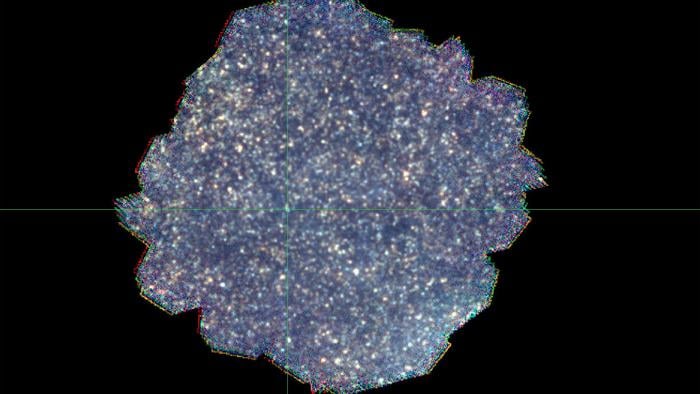
While invisible dark matter and dark energy continue to confound astronomers, there's also the mystery of missing infrared light. Now a team of astronomers thinks they have found it. They examined a region of the sky using the Herschel Space Telescope, stacking 141 images, and found where individual dust-rich galaxies appeared blended together. The galaxies are absorbing starlight and re-emitting infrared radiation, accounting for the missing light.

https://www.universetoday.com/articles/astronomers-think-theyve-found-the-universes-missing-infrared-light

Astronomers Think They've Found the Universe's Missing Infrared Light
Universe Today

Astronomers Think They've Found the Universe's Missing Infrared Light

One of the things about astronomy that captivates me is that for every question we answer, we open up a whole bunch of other questions. Dark matter and dark energy are one such phenomenon that rather continues to confound us. There's also the mystery of missing infrared light too but a team of astronomers think they may have found it! The team examined a region of sky using the Herschel Space Telescope and, by staking 141 images, found where individual dust-rich galaxies appeared blended togethe

1
0
1
0
Open post
Universe Today @universetoday@m.universetoday.com
· 16mo ago

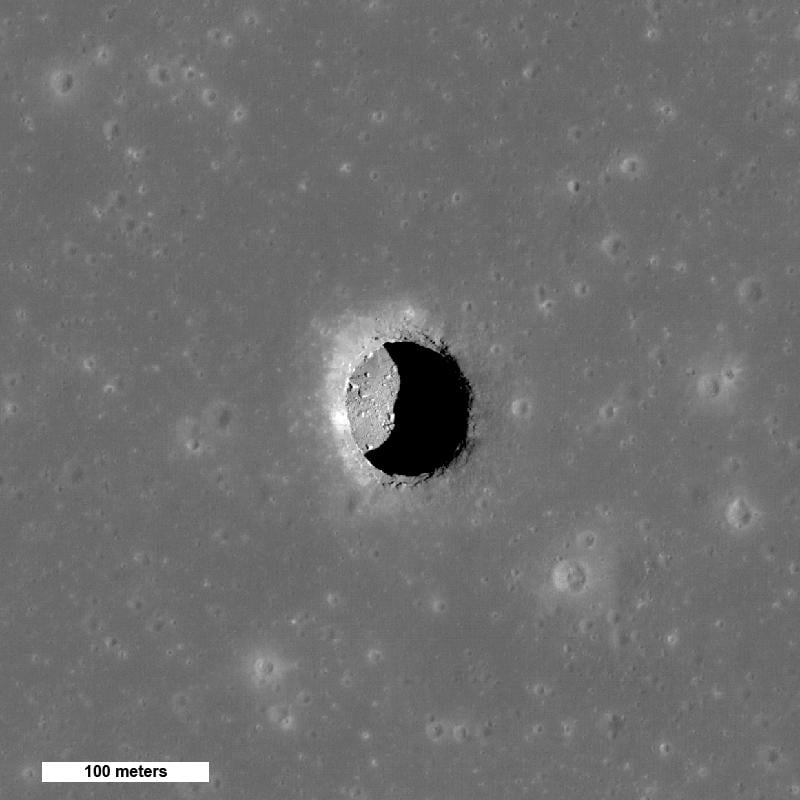
The surface of the Moon is bathed in radiation and suffers from dramatic changes in temperature. But there are places underground that could be fascinating to explore. In a new paper, researchers describe how snake-like rovers could crawl into subsurface environments on the Moon and explore them safely. The robotic snake would have solar panels that fold inside the body and then deploy outside when it's on the surface to bathe in the Sun and restore its batteries.

https://www.universetoday.com/articles/exploring-the-moon-with-subsurface-robots

Exploring the Moon with Biologically-Inspired Subsurface Robots
Universe Today

Exploring the Moon with Biologically-Inspired Subsurface Robots

1
0
0
0
Open post
Universe Today @universetoday@m.universetoday.com
· 16mo ago

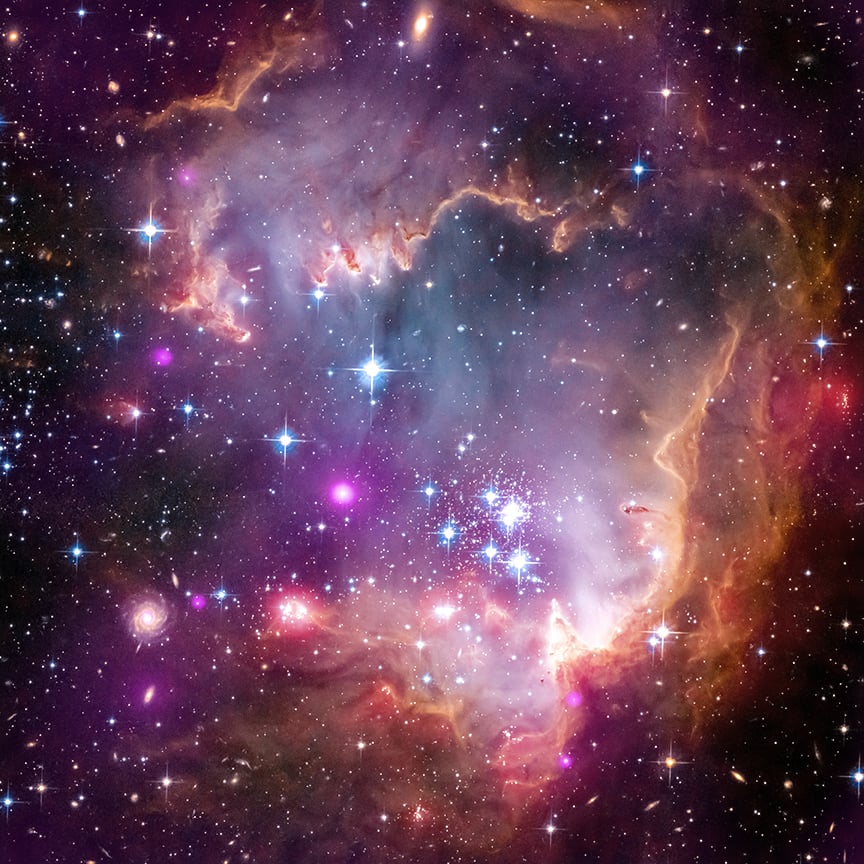
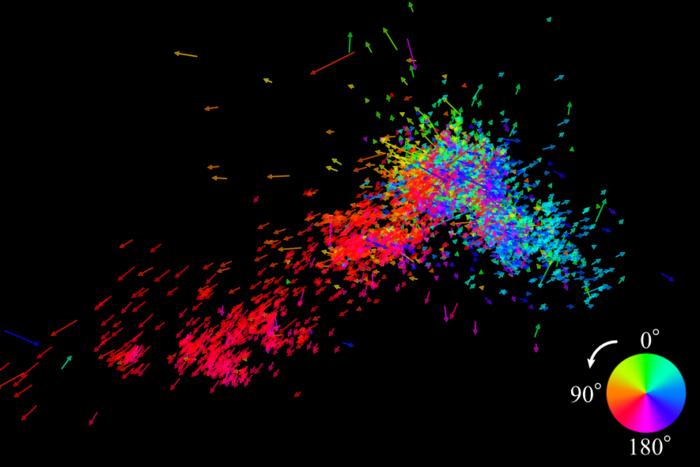
The Small Magellanic Cloud is one of the closest galaxies to the Milky Way, visible to the unaided eye in the Southern Hemisphere. Researchers tracked the movements of 7,000 stars in the SMC and discovered that many are being pulled away towards the nearby Large Magellanic Cloud— the galaxy is being torn apart. This will eventually lead to the destruction of the SMC, as the tidal forces strip away its stars.

https://www.universetoday.com/articles/the-small-magellanic-cloud-is-being-torn-apart

The Small Magellanic Cloud is Being Torn Apart
Universe Today

The Small Magellanic Cloud is Being Torn Apart

The two most prominent satellite galaxies of the Milky Way are the Large and Small Magellanic Clouds. A team of astronomers have recently tracked the movements of 7,000 stars in the Small Magellanic Cloud (SMC) and found that many of them are being pulled away towards the Large Magellanic Cloud! It seems the SMC is being pulled apart, perhaps leading to its eventual destruction as the tidal forces strip away its stars!

1
0
0
0
Open post
Universe Today @universetoday@m.universetoday.com
· 16mo ago

Interferometry connects multiple telescopes into a single large telescope with higher resolution. It works on Earth, but an interferometer space telescope has always been a dream, with NASA's Terrestrial Planet Finder getting canceled decades ago. There's too much technical risk. A new research paper proposes a scaled-down, ultraprecision formation flying mission called SILVIA, which would test the key technology to enable future interferometer space telescopes.

https://www.universetoday.com/articles/its-time-to-build-a-space-telescope-interferometer-this-could-be-the-first-step

It's Time to Build a Space Telescope Interferometer. This Could be the First Step
Universe Today

It's Time to Build a Space Telescope Interferometer. This Could be the First Step

The dream of finding life on an alien Earth-like world is hampered by a number of technical challenges. Not the least of which is that Earth is dwarfed by the size and brightness of the Sun. We might be able to discover evidence of life by studying the molecular spectra of a planet's atmosphere as it passes in front of the star, but those results might be inconclusive. The way to be certain is to observe the planet directly, but that would take a space telescope with a mirror 3–4 times that of W

0
0
0
0
Open post
Universe Today @universetoday@m.universetoday.com
· 16mo ago

Astrobiologists continue to struggle to find a single universal biosignature that could tell us if an exoplanet has life on it or not. Even if we could distinguish the chemicals of life from abiotic sources like volcanism, it still assumes that life will be similar to Earth-like life. A new paper proposes that missions search for "energy-ordered resource stratification," which only happens when both self-replication and ecological competition are present.

https://www.universetoday.com/articles/researchers-propose-a-new-way-to-search-for-evidence-of-life

Researchers Propose a New Way to Search for Evidence of Life
Universe Today

Researchers Propose a New Way to Search for Evidence of Life

One of the challenges of searching for life in the Universe is that there is no single universal biosignature that could reveal its presence. Even if we could tell the difference between chemicals produced by living organisms and those from non-living sources like volcanoes, we're still making the assumption that alien life would resemble life on Earth. A new paper proposes that missions search for "energy-ordered resource stratification" which only happens when both self-replication and ecologi

0
0
1
0
Open post
Universe Today @universetoday@m.universetoday.com
· 16mo ago

Astronomers noticed a brief flash of radiation coming from a star a few years ago and deduced that it came from the star consuming a planet. But they weren't sure whether it was from the star bloating up as a red giant and engulfing the planet's orbit or the planet spiraling inward into the star. JWST to the rescue! Detailed observations from Webb showed the environment around the star didn't match a red giant - it was the planet crashing into the star.

https://www.universetoday.com/articles/webb-investigates-the-scene-of-a-planets-destruction

Universe Today

Webb Investigates the Scene of a Planet's Destruction

Random flashes of radiation in the sky are not all that unusual. A few years ago, once such flash was detected coming from a star that at the time, was believed to be from a star consuming a planet! The exact mechanism was unsure though for example; was it the star bloating up as a red giant and engulfing the planet or did the planet spiral in toward the star? The answer was until now, a little elusive. Observations from the James Webb Space Telescope showed the environment around the star didn'

0
0
0
0
Open post
Universe Today @universetoday@m.universetoday.com
· 16mo ago

Future lunar explorers will hope to build permanent infrastructure on the Moon, using locally sourced ingredients, like regolith and water ice. Building materials will need to withstand the near vacuum of space, radiation, and micrometeoroid impacts. A team of researchers has developed "self-healing concrete," inspired by biological processes. It would contain bacteria that could regenerate themselves over time as the lunar environment wears them down.

https://www.universetoday.com/articles/promoting-substainable-lunar-bases-with-bio-concrete

Promoting Substainable Lunar Bases With Bio-Concrete
Universe Today

Promoting Substainable Lunar Bases With Bio-Concrete

0
0
1
0
Back
313k7r1n3
Elektrine

Tor hidden service

elekhj7afj4qnrr4yd3bkzslsyo5jgfxw3orgjkhlcxifueodybyiiad.onion

I2P eepsite

j6b6cyk6gjmepjih7jjadxgxvvf3lzzujljuu2v4biemzpg3naya.b32.i2p

Platform

  • Email
  • Chat
  • Timeline
  • VPN
  • DNS

Company

  • About
  • Pricing
  • Contact
  • FAQ
  • Lite (no JS)

Legal

  • Terms of Service
  • Privacy Policy
  • Transparency Report
  • Report Abuse
  • Warrant Canary
  • VPN Policy

Support

  • support@elektrine.com
  • Report Security Issue
Mail client setup IMAP mail.elektrine.com:993 POP3 mail.elektrine.com:995 SMTP mail.elektrine.com:465
© 2026 Elektrine. All rights reserved. Server: 22:46:31 UTC